Small-space growing · Clearwater
Container Vegetable Gardening in Clearwater, FL
A few well-placed pots can make a Clearwater patio productive. Start with the light available, the mature size of each crop, and a watering routine you can maintain. The nursery pot gets a seedling home; the growing container needs to carry it through the season.
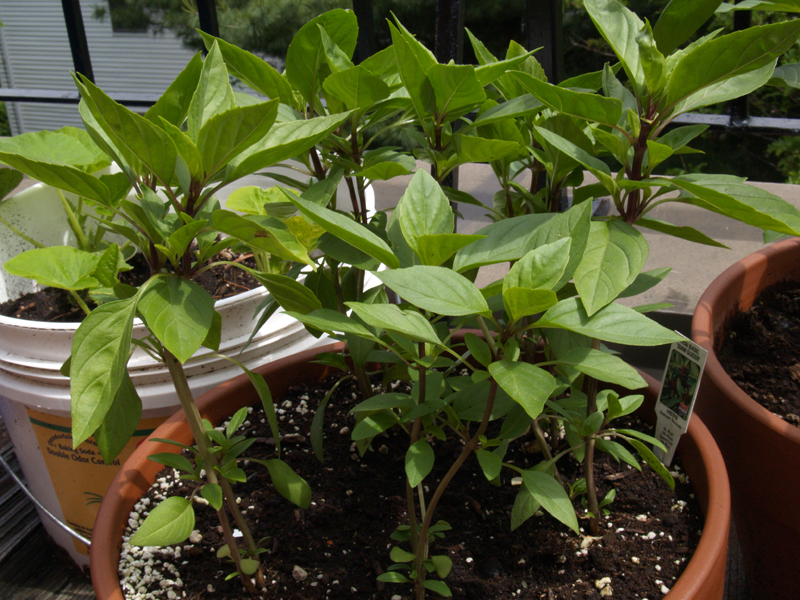
Match the crop to your light and the season
Observe the patio before choosing plants. A roof, fence, or neighboring building can change the usable light across the day. UF/IFAS recommends at least six hours of direct sunlight for a vegetable garden; a bright-looking porch may receive much less.
Containers follow the same crop calendar as garden beds. For Clearwater, use the Central Florida planting dates: tomatoes generally go out in January–February or August–September; peppers in January–March or August–September. Cooler-season greens offer a different use for the space in fall and winter.
Choose a growing pot, not just a nursery pot
Use containers with drainage holes and enough room for roots. UF/IFAS gives a five-gallon bucket as an affordable option for smaller-growing tomatoes. Our practical starting points below allow more room for vigorous plants; they are growing recommendations, not the sizes we sell.
Measure the space for the finished plant and its support before buying a pot. Leave yourself a way to reach the soil and inspect foliage. A container that fits on the patio may still hold a plant too large for that position.
| Crop | Starting container | Plan for |
|---|---|---|
| Smaller-growing tomato | At least 5 gallons for one plant | A cage or stake and steady moisture |
| Vigorous tomato vine | 10–15 gallons or more for one plant | Strong support and room for the mature vine |
| Pepper | About 5 gallons for one plant; more for vigorous varieties | Support as fruit develops |
| Basil or mint | A separate roomy pot; upsize as roots fill it | Different light needs; keep mint contained |
| Kale or chard | A roomy pot or planter matched to mature spacing | Access for leaf picking and room between plants |
Use potting mix and let excess water leave
Choose a container mix that holds moisture while leaving air around roots. Dense garden soil is a poor starting choice for a pot. Check that drainage holes remain open, and empty saucers after watering ordinary draining containers.
Water needs change with pot size, material, weather, and crop. Feel slightly below the surface before watering. When that zone is dry, water thoroughly until excess flows out. Check small pots often; a fixed daily watering dose can miss both dry root balls and already-wet ones.
Feed, support, and inspect as plants grow
Follow the fertilizer label for container use and account for any fertilizer already in the mix. More fertilizer will not make a poorly drained pot work. Record what you apply so the next feeding is a decision rather than a guess.
Install tomato support while the plant is small. Leave space between neighboring pots, and inspect foliage at least twice a week. If leaves look damaged, identify the cause before treating; a close photo and your watering notes can help an Extension specialist assess the problem.
Start with a garden you can maintain
For a first setup, choose one fruiting crop in its planting window and one herb you use regularly. If you are beginning in the cooler season, a pot of kale or chard and a cilantro batch can be a simpler plan to manage than several large vines.
Have the pots, mix, and supports ready before collecting seedlings. Harden off plants that have grown under protection, confirm their readiness by text, and arrange appointment-only pickup or scheduled delivery. Add more pots after you have seen how the first ones perform.
Sources and further reading
Planting windows use UF/IFAS guidance for Florida. The linked university and Extension resources support the growing advice above: