Kitchen herbs · Clearwater
Growing Herbs in Clearwater: Basil, Cilantro, Mint & Rosemary
A useful Clearwater herb garden starts with the flavors you cook with and the conditions you can offer. Basil, cilantro, mint, and rosemary can all earn their place, but they need different seasons, light, and watering. Give each a suitable spot before combining them in one planter.
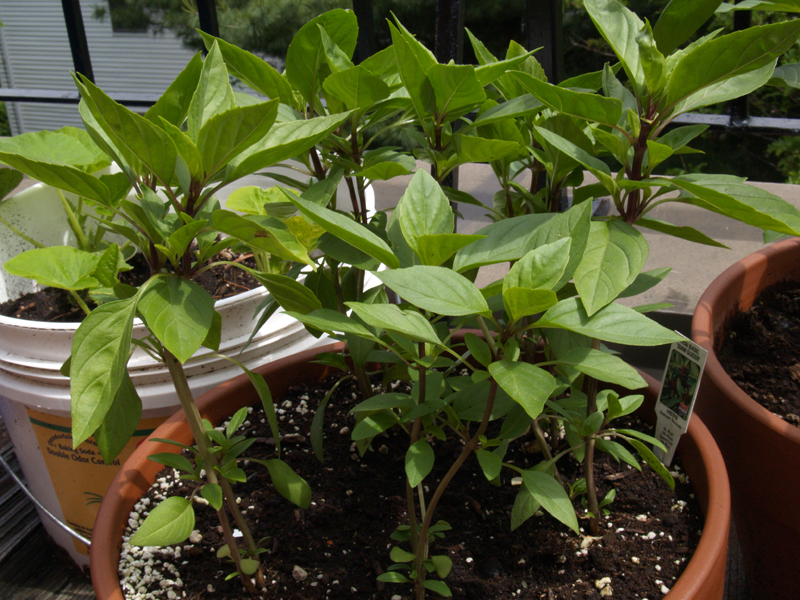
Choose herbs by season, light, and water
Use this comparison to decide where each herb belongs. Separate pots are a useful first setup: you can water rosemary independently, keep mint contained, and replace a finished cilantro batch without disturbing the rest of the garden.
| Herb | Season and light | Water and harvest |
|---|---|---|
| Basil | Warm conditions; sun with some afternoon relief if needed; protect from cold | Moist, draining soil; pinch leafy tips regularly |
| Cilantro | Fall and winter; full sun to part shade | Well-drained soil; sow small batches every few weeks |
| Mint | Light or part shade in Florida; keep in its own container | Moisture-retaining soil; pick leaves as needed |
| Rosemary | A sunny perennial spot with at least six hours of sun | Excellent drainage; avoid frequent watering of already-wet soil |
Basil: choose the flavor, then keep picking
Thai basil brings a spicy, anise-like flavor to curries and noodle dishes. Our catalog also includes purple basil and holy basil, so choose for your cooking rather than assuming every basil tastes the same. Compare the individual plant pages before requesting a variety.
UF/IFAS recommends moist, well-drained soil and regular tip harvesting to encourage branching. If leaves are your goal, remove flower buds as they form. Basil is cold-sensitive; a plant doing well in October still needs attention when the forecast turns cold.
Cilantro: make the cooler months count
Fall and winter suit cilantro better than long, warm days, which encourage flowering and seed production. UF/IFAS suggests sowing a few seeds every few weeks and leaving about eight inches between plants. Seed or a purchased transplant can get the crop started.
Plan a series of small harvests rather than one permanent cilantro plant. Once plants are around six inches tall, begin harvesting leaves. A plant allowed to finish its cycle can produce coriander seed; choose whether leaves or seed matter more to your kitchen.
Mint and rosemary need different pots
Mint spreads through runners. Keep Mojito mint in a container of its own and check for stems escaping into nearby beds. A position with light or partial shade and moisture-retaining soil matches UF/IFAS advice for Florida mint. Pick leaves for the drinks or meals you are making.
Rosemary needs a brighter, freely draining position. It can become a woody shrub, so leave room for growth rather than squeezing it into a crowded herb bowl. Avoid putting it on the same watering schedule as mint: check its soil before adding more water.
Put together a small kitchen garden
Start with two herbs you already use each week. Label the pots, note where the sun falls, and keep a brief record of watering and harvests. Add the next herb when you know how the first two behave at your site.
Before pickup, compare the dated inventory with the growing notes. Some entries describe plants still developing in cells or packs. Text to confirm the actual variety, pot size, readiness, and appointment; the catalog is a starting point for that conversation.
Sources and further reading
Planting windows use UF/IFAS guidance for Florida. The linked university and Extension resources support the growing advice above: