Fall garden · Pinellas County
Fall Vegetable Planting in Pinellas County: Crop Calendar
Fall is not the end of the garden in Clearwater—it is one of the main events. The transition begins while afternoons are still hot, then opens into months of greens, herbs, roots, and fruiting crops.
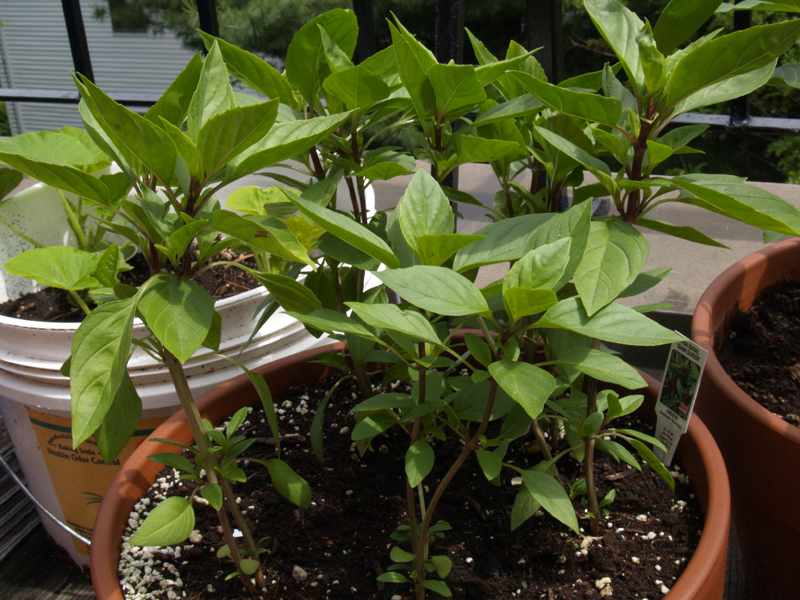
Fall planting calendar: seed or transplant?
Use these Central Florida outdoor windows from UF/IFAS Table 1 for Clearwater and Pinellas County. The method column tells you what goes into the garden during that window. If you are raising your own tomatoes or peppers from seed, start in protected conditions before the transplant window; sowing seed on the last planting day does not give the same head start.
September is the overlap month: warm-season transplants can go out while cool-season crops begin. Check heat, drainage, and the forecast before planting; young greens may need protection while afternoons remain hot.
| Crop | Outdoor window | Recommended method |
|---|---|---|
| Tomatoes, peppers, eggplant | August–September | Set out hardened transplants; raise seedlings beforehand |
| Bush and pole beans | August–September | Direct sow |
| Summer squash | August–September | Direct sow or use an intact container-grown root ball |
| Cucumbers | September | Direct sow or use an intact container-grown root ball |
| Kale, collards, lettuce, broccoli | September–February | Seed or transplant; transplants give a head start |
| Swiss chard | September–May | Seed or transplant |
| Carrots | August–March | Direct sow in the final bed |
| Radishes | September–March | Direct sow in small batches |
| English or snow peas | November–February | Direct sow; provide support for climbing types |
August and September: warm-season transplants first
Prepare beds and repair irrigation before the plants arrive. Tomato, pepper, and eggplant seedlings need time to establish while the fall window is open; waiting for sweater weather can mean missing it.
Choose a manageable number of plants, install supports early, and harden off seedlings before full sun. A dated bench count is not a reservation: text to confirm the actual plants and arrange a pickup appointment.
September onward: sow greens and roots in waves
Start a small patch of radishes or carrots rather than filling every space at once. Follow with another sowing as space opens. Kale, collards, lettuce, and broccoli can be started from seed or bought as transplants; the latter shorten the wait, but still need a gradual move into garden conditions.
As nights cool, add seasonal herbs such as cilantro and check the next crop before reusing a bed. Rotate plant families where possible rather than putting another tomato relative into the same spot.
Water differently after the rainy season
New transplants still need careful watering, but cooler weather and shorter days slow moisture loss. Check the soil rather than watering on a summer schedule, especially in containers and raised beds.
Sources and further reading
Planting windows use UF/IFAS guidance for Florida. The linked university and Extension resources support the growing advice above: