Florida squash · Seminole pumpkin
Growing Seminole Pumpkin in Florida: When to Plant in Central Florida
Seminole pumpkin is a Florida heirloom winter squash with sweet flesh and a vigorous vine. Its tolerance of heat and humidity makes it interesting for Clearwater gardens with room to spare. Plan the vine’s route and the growing season before choosing a start.
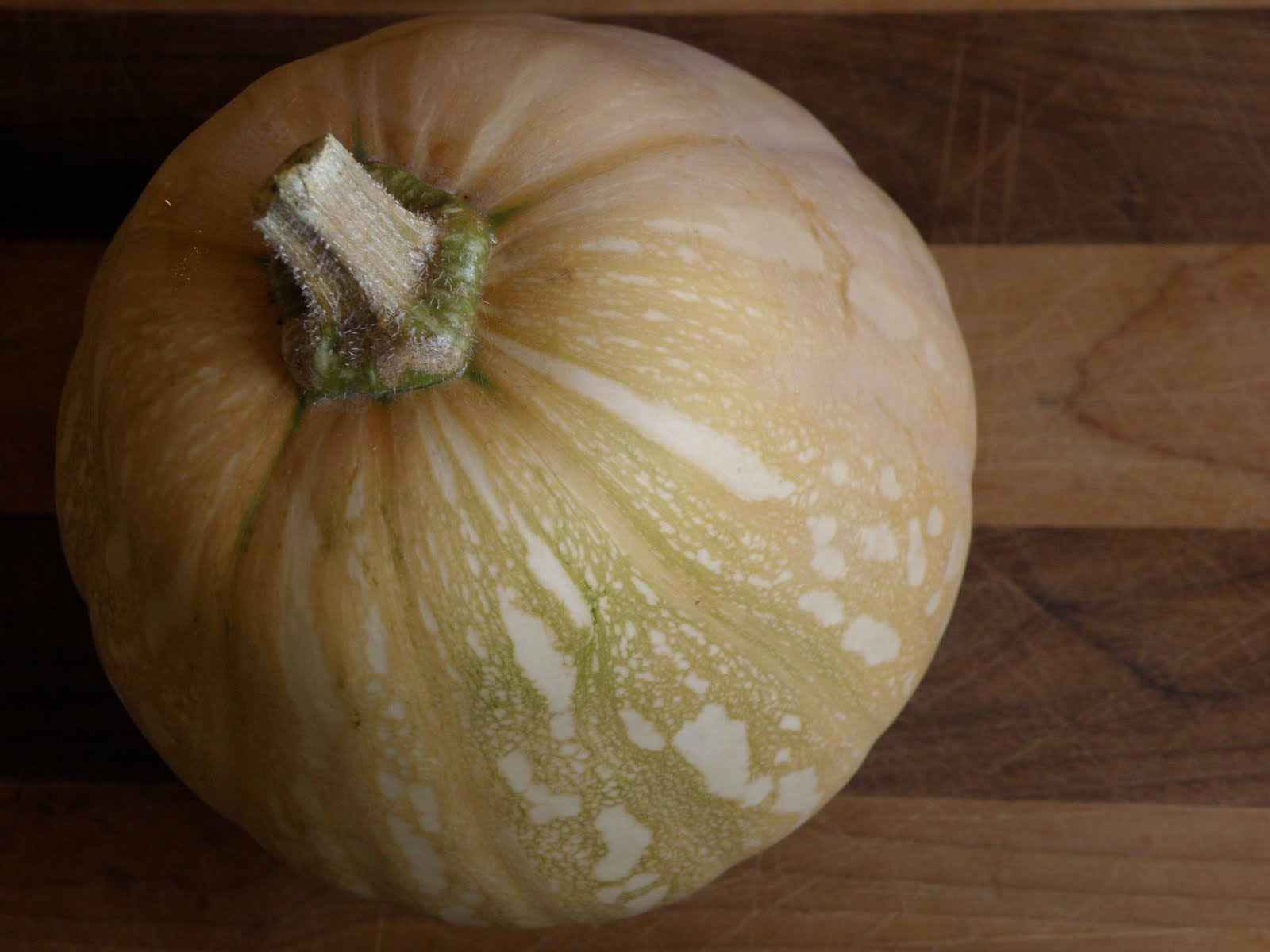
When to plant Seminole pumpkins in Central Florida
In Central Florida, including Clearwater, the main window for Seminole pumpkin is spring, after frost risk passes. UF/IFAS Gardening Solutions gives February–April for North and Central Florida, while Hillsborough Extension, next door to Pinellas, gives March–June. Gardening Solutions adds that planting can run as late as July, because the vine is one of the few vegetables that can survive a Florida summer.
Those windows reflect regional conditions and growing approaches; use the forecast and warm soil to choose your actual day.
Fall planting needs more caution. Gardening Solutions advises allowing at least 120 days before an expected frost. A new October vine is a different decision from a vine established earlier in the year. Do not assume Clearwater is frost-free or that a seedling bought in fall will produce before winter cold.
| Planting time | Months | What UF/IFAS says |
|---|---|---|
| Spring (main window) | February–April | Gardening Solutions: the usual spring window for North and Central Florida |
| Spring into early summer | March–June | Hillsborough Extension: planting time for Central Florida |
| Late planting | Up to July | Gardening Solutions: possible as late as July; Pasco Extension suggests early July for a late-October harvest |
| Fall | Only with 120+ days before frost | Gardening Solutions: plant in fall only if at least 120 days remain before the first expected frost |
| Seed to harvest | About 3–5 months | Hillsborough: 95–120 days; Gardening Solutions: three to four months; Pasco: 120–150 days |
Give the vine a route before it starts growing
UF/IFAS describes vines reaching 25 feet or more and recommends six to eight hours of sun. Choose an open garden edge or a strong support with enough surrounding space. A short decorative tomato cage is a poor plan for a full pumpkin vine.
Walk the intended route: will leaves block a path, cover a neighboring bed, or cross a property line? Decide where you can inspect the plant and reach fruit. If your only growing area is a small balcony, compare herbs or a supported container crop before committing to Seminole pumpkin.
Direct seed or transplant while young
Direct sowing avoids disturbing squash roots. Hillsborough Extension also describes starting seed in small pots and moving the plant at its first true leaf, around ten days after sowing. A young transplant and an older plant crowded into a nursery pot are not interchangeable.
If you request a nursery start, ask about its size and readiness. Prepare the final site first, ease a protected plant into outdoor light, and move the root ball intact. Check the dated count and confirm the actual plants by text before arranging pickup.
Flowers, moisture, and leaf checks
Pumpkins produce male and female flowers; the female has a small fruit-shaped base. Fruit set needs pollen transfer by bees or another suitable method. Leave flowering vines accessible to pollinators, and watch whether small fruit continue developing after bloom.
Use well-drained soil and keep moisture reasonably consistent. Inspect growing tips and both sides of leaves for chewing or other damage. Heat tolerance does not make the vine pest-free; identify a problem before choosing a treatment.
Harvest for the kitchen and store sound fruit
Hillsborough Extension gives about 95–120 days from seed to harvest, while other UF/IFAS guidance allows longer. Treat that as a planning range, not a promised harvest date. Look for mature color, a hard rind, and a drying stem rather than harvesting by the calendar alone.
Move sound fruit to a cool, dry place and inspect it during storage. Damaged or soft fruit needs attention sooner. Use the squash for roasting, soup, puree, or baking; plan a meal around the fruit you have harvested.
Sources and further reading
Planting windows use UF/IFAS guidance for Florida. The linked university and Extension resources support the growing advice above: